Route List
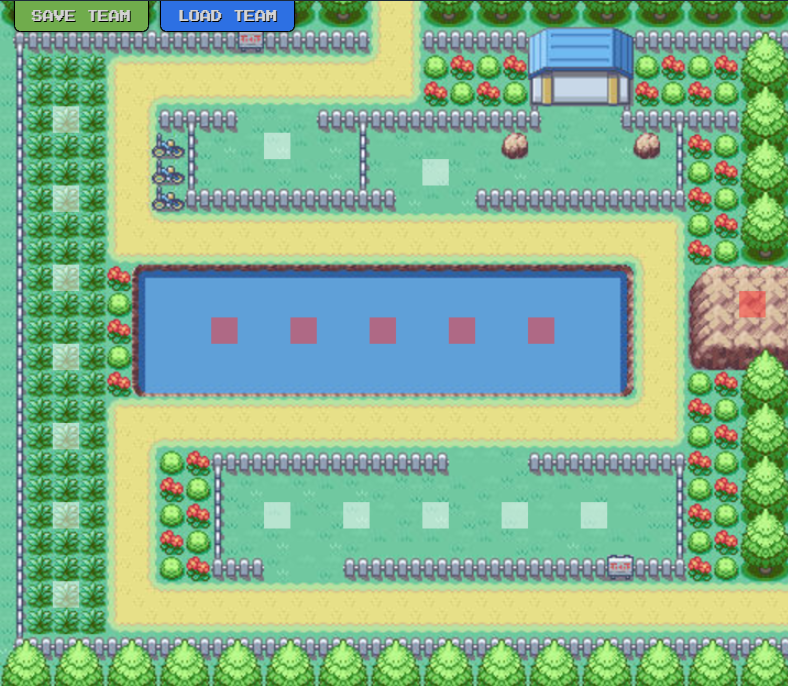
PokePath TD Route 1-1 Guide: Best Team to Beat Articuno
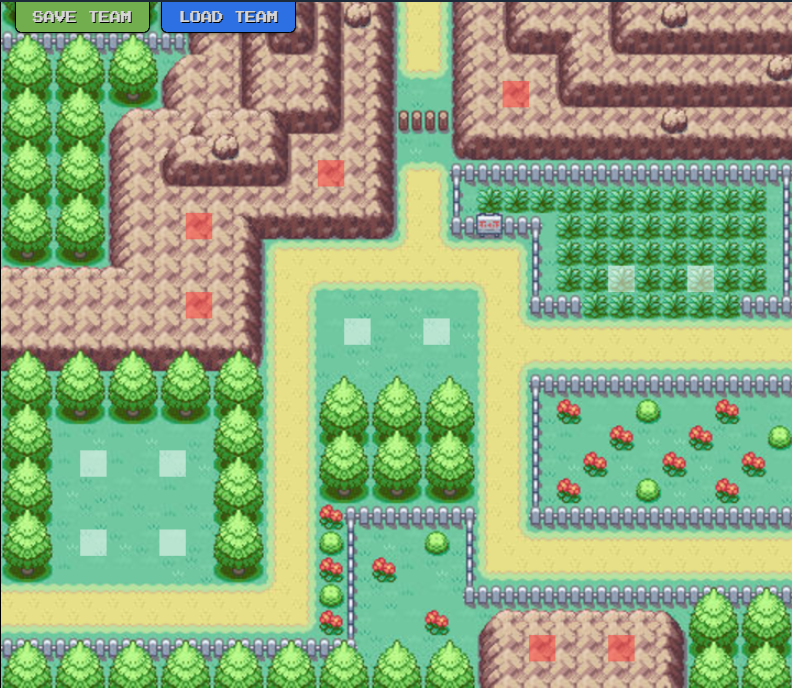
PokePath TD Route 1-2 Guide: Beating Zapdos (Wave 100 Strategy)
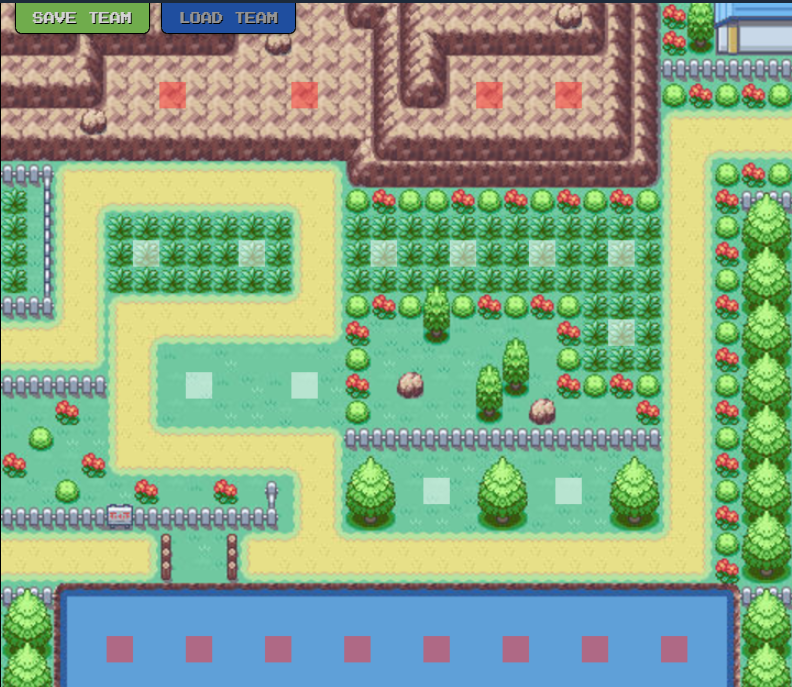
PokePath TD Route 1-3 Guide: Best Team to Defeat Moltres
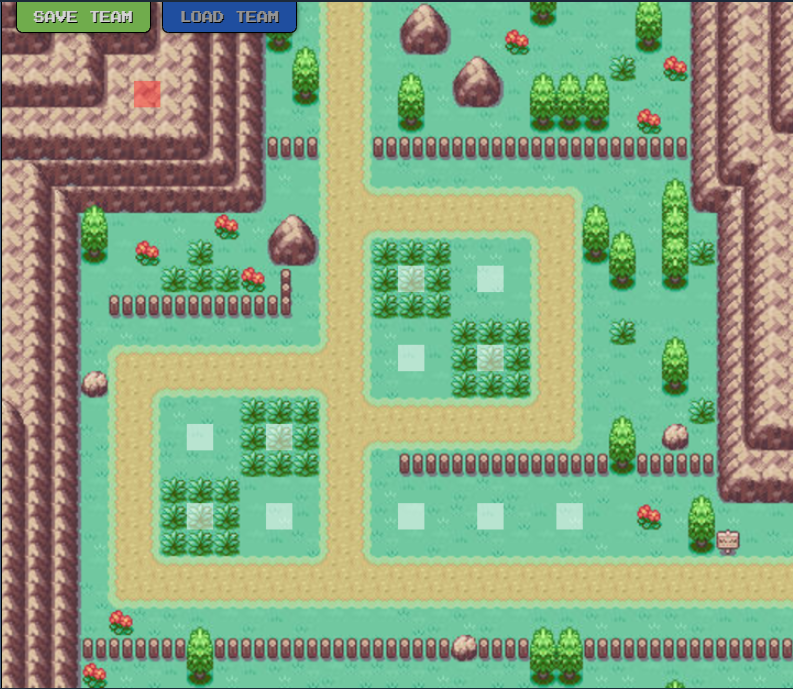
PokePath TD Route 2-1 Guide: Ultimate Strategy to Beat Raikou
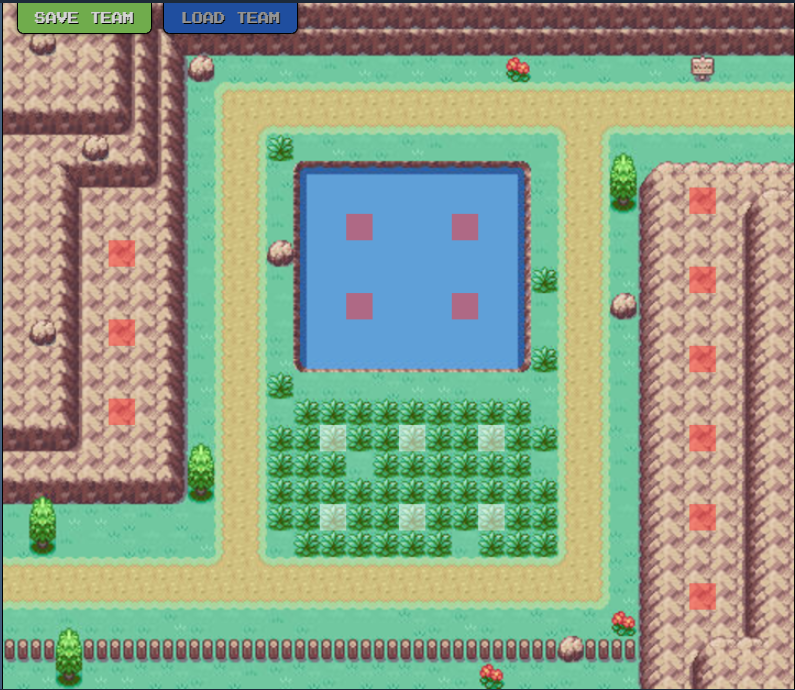
PokePath TD Route 2-2 Guide: How to Beat Entei (Armor Break Strategy)
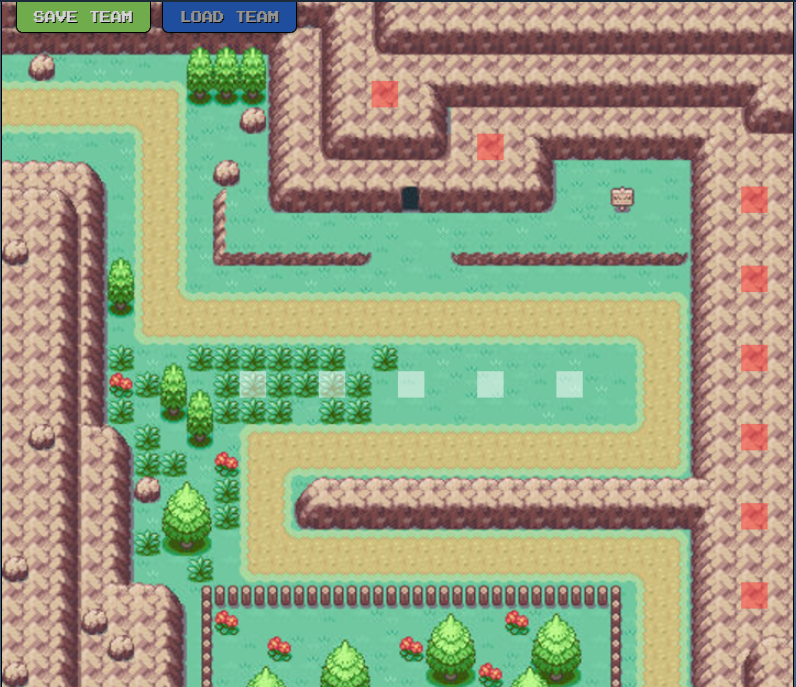
PokePath TD Route 2-3 Ultimate Guide: Beating Suicune with Absol
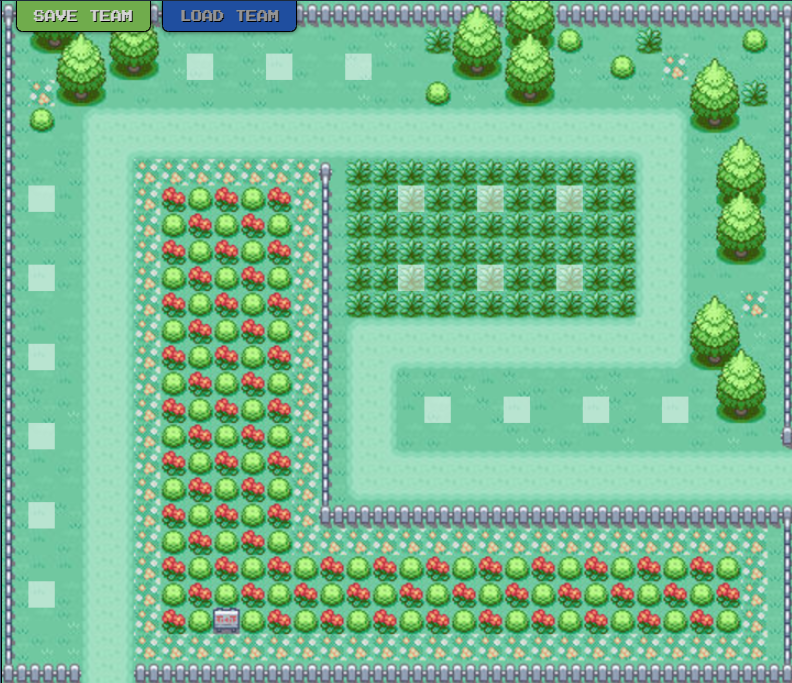
PokePath TD Route 3-1 Guide: How to Beat Regirock (1 Million Armor)
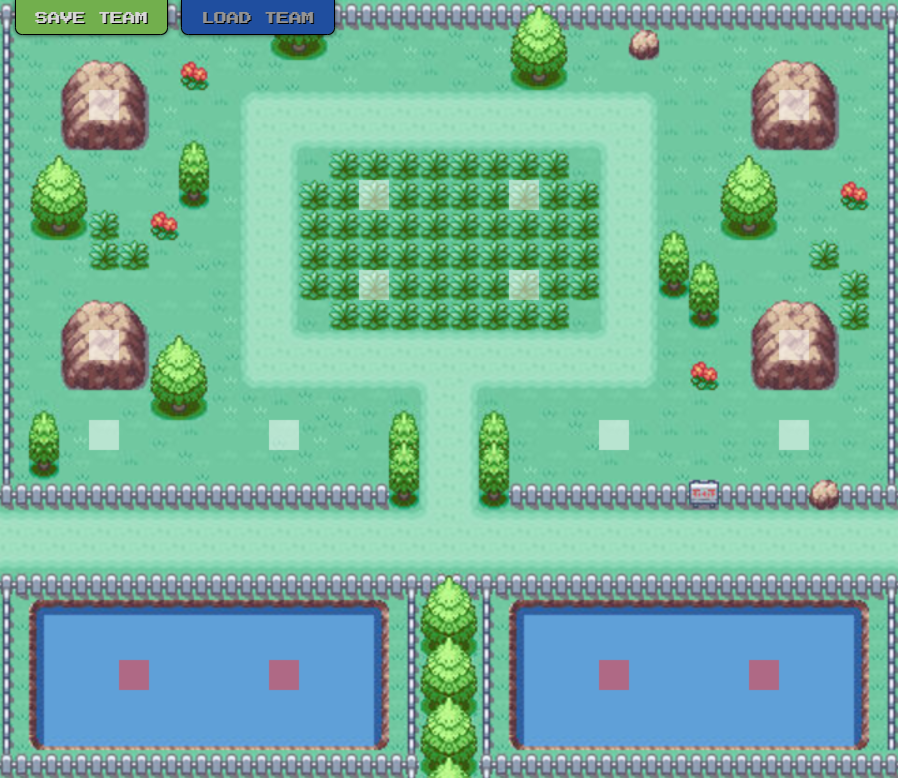
PokePath TD Route 3-2 Guide: The Dewgong Stun-Lock Strategy
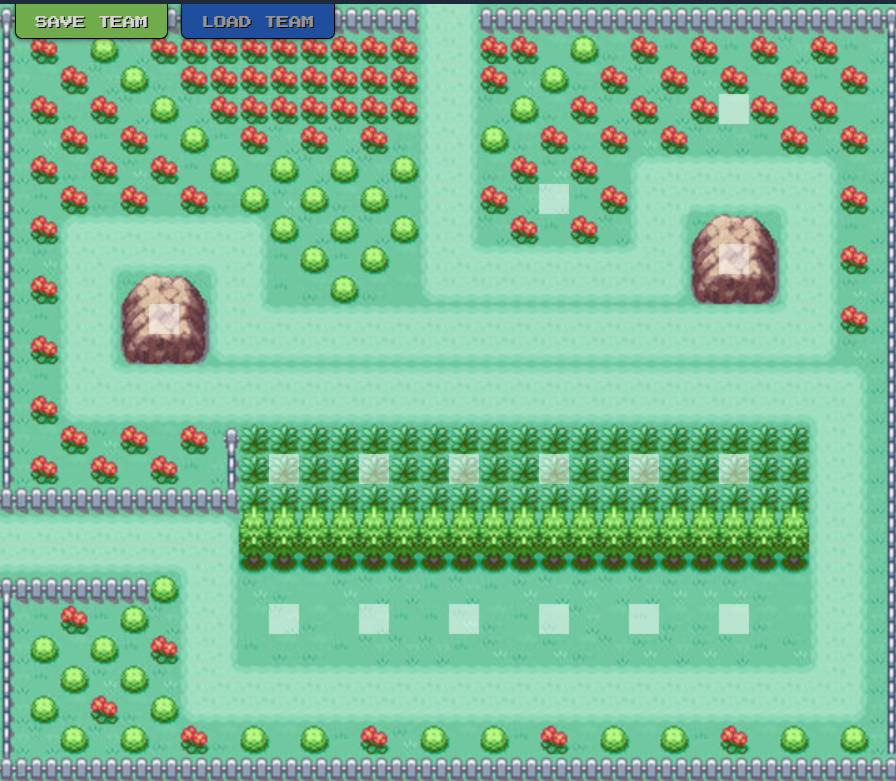
PokePath TD Route 3-3 Guide: Beating Registeel (Poison Immune)
Select a Route
Choose a route from the list to view detailed strategy guide. Or explore our in-depth guides for Route 1-3 (Moltres) and Route 3-2 (Regice).
📖 How to Use Route Strategy
The Route Strategy tool provides comprehensive guidance for each map route in PokéPath TD. Plan your team composition, understand terrain advantages, and follow strategic tips to master every route.
Select Your Route
Choose the route you want to strategize for from the dropdown menu above.
Review Terrain & Types
Understand the terrain types and recommended Pokémon types for optimal placement and effectiveness.
Plan Team Composition
Follow the recommended team compositions for early, mid, and late game phases to ensure a smooth progression.
Apply Strategic Tips
Read and implement the strategic tips provided for each route to maximize your success rate.
❓ Frequently Asked Questions
Why are team compositions split into Early/Mid/Late game?
Different phases of the game require different strategies. Early game focuses on economy and basic defense, mid game transitions to stronger units, and late game requires maximum DPS and specialized counters for bosses.
How important is terrain advantage?
Terrain advantages can significantly boost Pokémon effectiveness. For example, Grass-type Pokémon perform better on Grass terrain, and Water-type Pokémon excel near water areas. Always consider terrain when placing units.
Should I follow the recommended team exactly?
Recommendations are guidelines based on optimal strategies. Adapt them based on your available Pokémon, upgrade levels, and personal playstyle. The key is understanding the principles behind the recommendations.
What if I don't have all recommended Pokémon?
Look for Pokémon with similar roles and abilities. For example, if a Fire-type is recommended but you don't have it, consider other high DPS Pokémon or those with similar abilities. The tool helps you understand what roles need to be filled.
How do I transition between game phases?
Gradually replace early game units with mid game upgrades as you accumulate resources. Don't sell all early units at once - maintain coverage while upgrading. Save resources for late game power spikes when bosses appear.
What does the difficulty rating mean?
Difficulty ratings indicate the overall challenge level of the route. Easy routes are beginner-friendly, while harder routes require more strategic planning, better team composition, and optimal resource management.